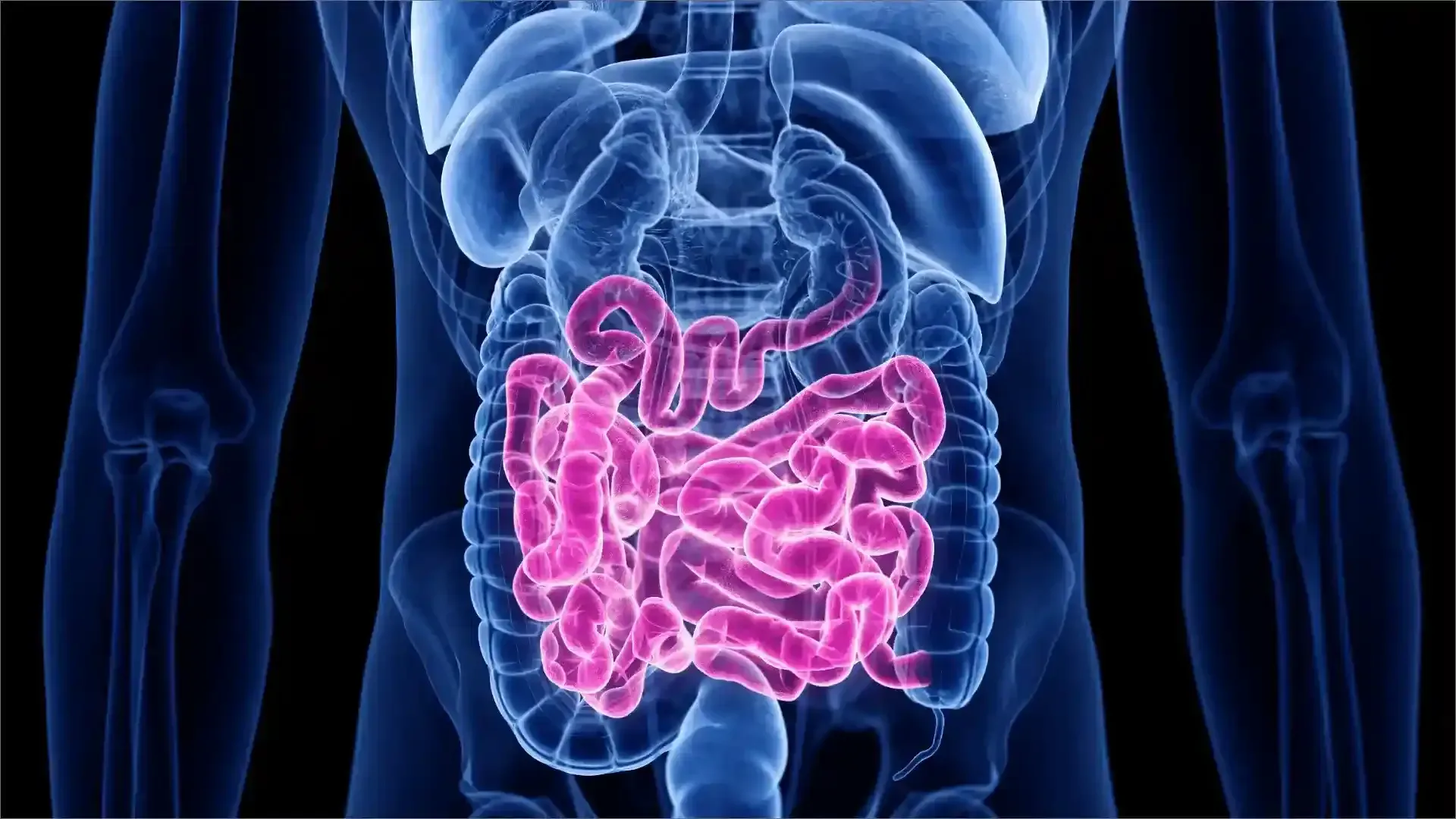


Treatment for Crohn’s Disease: Current Options and New Advances
Understanding Modern Treatment Options for Crohn’s Disease
Crohn’s disease is a chronic inflammatory condition that can significantly impact quality of life through symptoms such as abdominal pain, diarrhea, fatigue, weight loss, and unpredictable disease flare-ups. Fortunately, treatment options have expanded considerably over the last decade, helping many patients achieve remission, reduce inflammation, and prevent long-term complications.
As part of the broader group of conditions known as Inflammatory Bowel Disease (IBD), Crohn’s disease requires individualized management and ongoing monitoring. Advances in clinical research continue to drive the development of innovative therapies that offer new possibilities for patients living with the disease.
What Is Crohn’s Disease and Why Is It Considered an Inflammatory Bowel Disease?
Inflammatory Bowel Disease (IBD) primarily includes two chronic conditions: Crohn’s disease and ulcerative colitis. While ulcerative colitis affects only the colon, Crohn’s disease can involve any portion of the gastrointestinal tract, from the mouth to the anus. It most commonly affects the small intestine and colon.
One of the defining characteristics of Crohn’s disease is that inflammation extends deep into the intestinal wall. This can lead to complications such as strictures, fistulas, and abscesses if left untreated.
Today, the goal of treatment goes beyond symptom relief. Modern therapeutic strategies focus on controlling inflammation, preventing intestinal damage, and maintaining long-term remission. Current clinical guidelines emphasize a personalized approach based on disease severity, location, complications, and previous treatment response.
Inflammatory Bowel Disease Treatment: How Therapy Is Selected
Treatment for Crohn’s disease is highly individualized and typically depends on several factors, including:
- Disease severity (mild, moderate, or severe)
- Location of inflammation within the digestive tract
- Presence of complications such as fistulas or strictures
- Risk factors for disease progression
- Previous medication response and tolerance
Modern inflammatory bowel disease treatment strategies generally include the following components:
1. Managing Active Flares
During moderate to severe flare-ups, corticosteroids are often prescribed to rapidly reduce inflammation and induce remission. Because of their potential side effects, these medications are typically used only for short-term control rather than long-term maintenance.
In selected cases, antibiotics may also be recommended, particularly for patients with infections or certain forms of perianal disease.
2. Maintaining Long-Term Remission
Preventing future flare-ups and minimizing intestinal damage are key goals of Crohn’s disease management.
Depending on the individual patient profile, treatment may include:
- Immunomodulators
- Biologic therapies
- Targeted small-molecule medications
Many specialists now follow a treat-to-target approach, which involves adjusting therapy to achieve measurable goals such as clinical remission, normalized inflammatory markers, and healing of the intestinal lining.
3. Nutrition and Comprehensive Care
Although diet alone cannot cure Crohn’s disease, nutritional management plays an important role in symptom control and overall health.
Patients may require dietary modifications during active disease, as well as evaluation and treatment of nutritional deficiencies such as:
- Iron deficiency
- Vitamin B12 deficiency
- Vitamin D deficiency
- Anemia
- Bone health concerns
A comprehensive treatment plan often includes collaboration among gastroenterologists, dietitians, and other healthcare professionals.
Monitoring Disease Activity
Modern Crohn’s disease management involves routine monitoring, even when symptoms appear well controlled. Ongoing assessment helps detect underlying inflammation before complications develop.
Common monitoring tools include:
- C-reactive protein (CRP)
- Fecal calprotectin testing
- Imaging studies when appropriate
- Endoscopic evaluation to assess mucosal healing
Additional preventive care measures may include:
- Vaccination review before or during immunosuppressive therapy
- Infection prevention and monitoring
- Assessment of osteoporosis and thrombosis risk
- Cancer surveillance when indicated
- Mental health support and stress management
These strategies help optimize long-term outcomes and improve quality of life for individuals living with IBD.
The Role of Gastroenterology Clinical Research
Clinical research continues to transform the treatment landscape for Crohn’s disease. Through carefully designed studies, researchers evaluate emerging therapies, identify which patients benefit most from specific treatments, and develop new options for individuals who do not respond adequately to existing medications.
Advances in Gastroenterology Clinical Research have contributed to many of the therapies currently used in clinical practice and continue to shape the future of IBD care.
Exploring San Diego Clinical Trials for Crohn’s Disease
Participation in San Diego clinical trials may be an option for eligible patients who:
- Have not achieved adequate disease control with current therapies
- Experience treatment-limiting side effects
- Are interested in accessing investigational therapies under medical supervision
Clinical trials follow strict safety protocols and include comprehensive monitoring, eligibility screening, and informed consent procedures. These studies play a critical role in expanding treatment options and advancing standards of care for future generations of patients.
Learn More About Crohn’s Disease Treatment Options
If you or a loved one is living with Crohn’s disease and would like to learn more about current inflammatory bowel disease treatment options or available clinical research opportunities, we encourage you to complete the contact form on our website.
Our team can help determine whether participation in a clinical study may be appropriate and provide information about ongoing research opportunities.