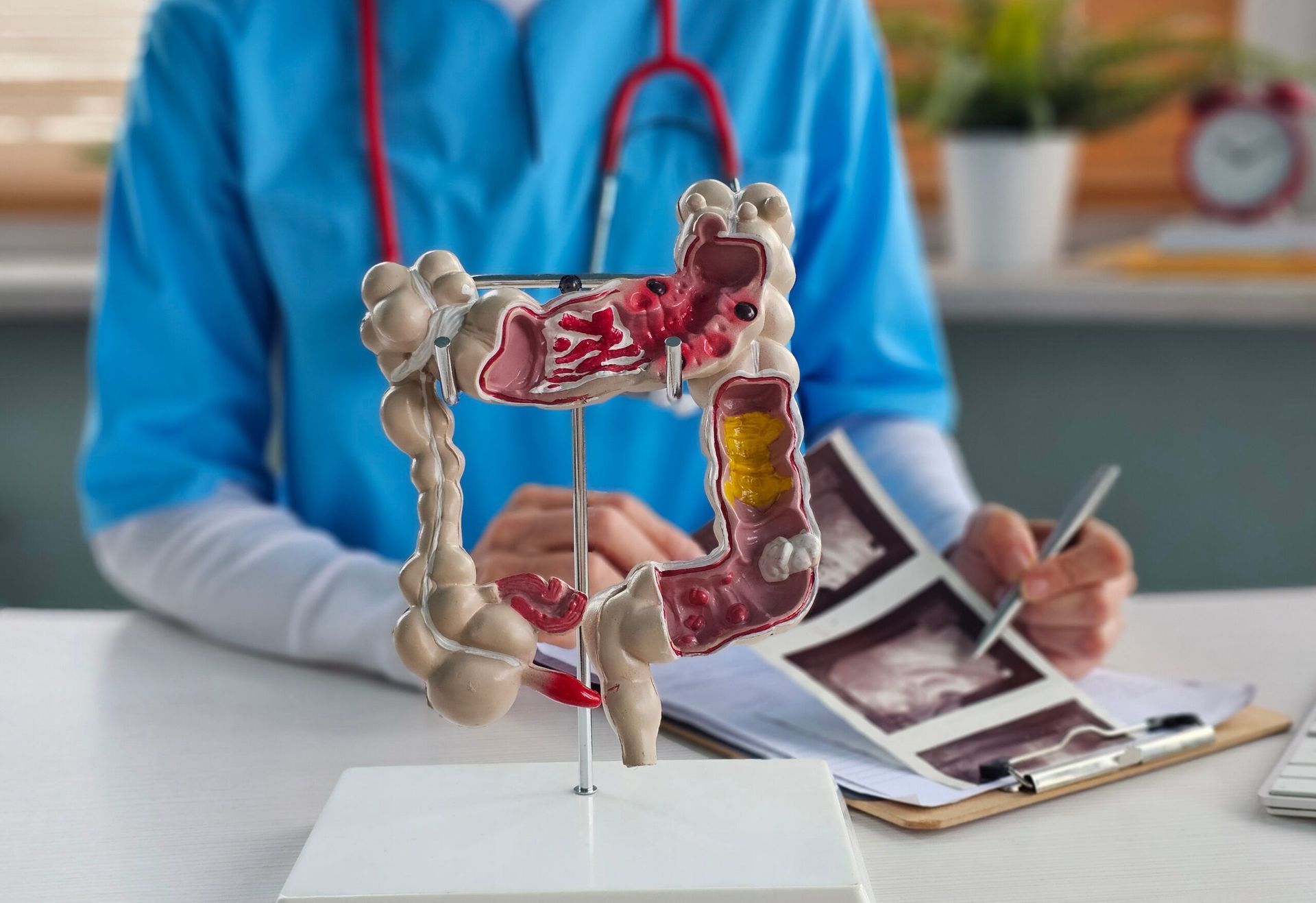


Understanding Gastroparesis: Symptoms and Treatment Options
Gastroparesis is a digestive disorder characterized by delayed emptying of the stomach, leading to symptoms like nausea, vomiting, and abdominal discomfort. Exploring the symptoms and treatment options for gastroparesis is essential for individuals managing this condition. In this article, we will delve into the symptoms of gastroparesis and the various treatment approaches available to improve quality of life.
Unveiling the Symptoms of Gastroparesis:
Gastroparesis presents a range of symptoms, including early satiety, bloating, abdominal pain, and erratic blood sugar levels. Individuals with gastroparesis may also experience frequent episodes of nausea, vomiting, and a feeling of fullness even after consuming small amounts of food.
Treatment Strategies for Gastroparesis:
The management of gastroparesis typically involves a multidisciplinary approach. Treatment options may include dietary modifications, such as consuming smaller, more frequent meals, and avoiding high-fat or high-fiber foods. In severe cases, medical interventions like medications, botulinum toxin injections, or surgical procedures may be considered.
Clinical Trials and Research in Gastroparesis Management:
Clinical trials play a vital role in advancing the understanding and treatment of gastroparesis. By participating in clinical trials, patients have the opportunity to access cutting-edge therapies and contribute to the development of best practices in gastroenterology. San Diego is a hub for clinical trials, offering innovative options for individuals with gastroparesis.
Medication and Lifestyle Changes for Gastroparesis Relief:
Medications such as prokinetics, antiemetics, and antibiotics may be prescribed to manage symptoms and improve gastric motility in individuals with gastroparesis. Additionally, lifestyle changes like regular exercise, stress management, and adequate hydration can complement medical treatments and enhance overall well-being.
In conclusion, understanding the symptoms of gastroparesis and exploring the available treatment options is crucial for individuals living with this condition. By staying informed about the latest research, participating in clinical trials, and working closely with healthcare providers, individuals can effectively manage gastroparesis and improve their quality of life.