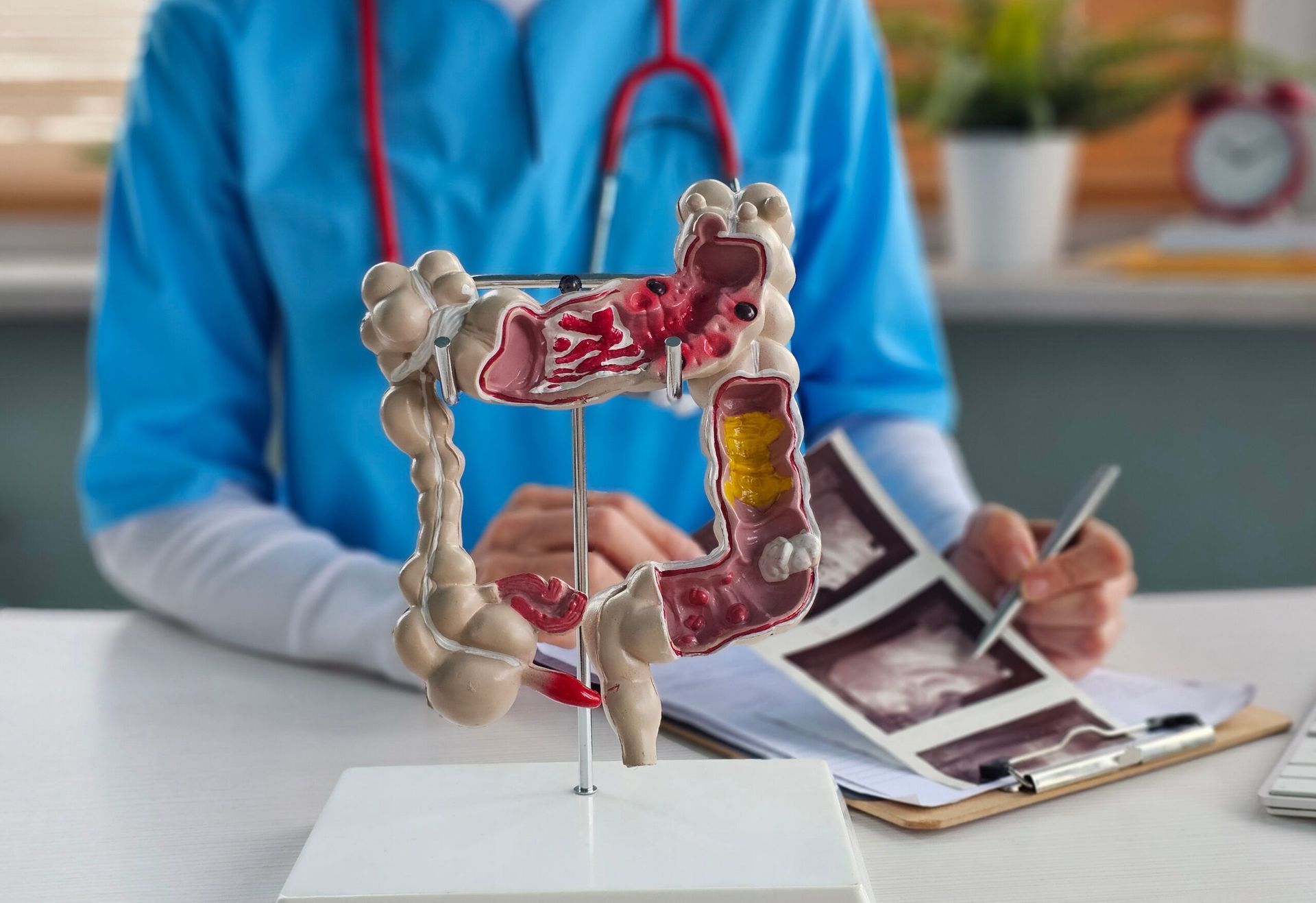


Constipation Treatment: Current Options and the Role of Gastrointestinal Clinical Trials
Constipation is one of the most common reasons people seek care from a gastroenterologist. It is not only about having fewer bowel movements — it can also involve excessive straining, hard stools, or the sensation of incomplete evacuation. Although many people consider it “normal,” persistent symptoms can significantly affect quality of life and may require specialized medical evaluation.
In this article, we review current treatment options for constipation and the important role gastrointestinal clinical trials play in developing new therapies.
What Is Constipation and When Is It Considered Chronic?
Constipation is not defined solely by bowel movement frequency. Specialists also evaluate symptoms such as:
- Difficulty or straining during bowel movements
- Hard or dry stools
- Sensation of blockage
- Feeling of incomplete evacuation
When these symptoms persist for several months, the condition may be classified as chronic constipation.
Common causes include:
- Low-fiber diet
- Inadequate fluid intake
- Sedentary lifestyle
- Certain medications (such as pain relievers, antidepressants, or iron supplements)
- Pelvic floor disorders
- Altered intestinal motility
Guidelines from the American College of Gastroenterology (ACG) recommend identifying the specific cause in order to provide personalized treatment, especially for patients with persistent or treatment-resistant symptoms.
Current Treatment Options for Constipation.
Treatment is typically approached step by step, beginning with conservative measures and progressing based on the patient’s response.
1. Lifestyle Changes
In many cases, the first recommendations include:
- Gradually increasing dietary fiber intake
- Maintaining proper hydration
- Engaging in regular physical activity
- Establishing a consistent bowel routine
The National Institute of Diabetes and Digestive and Kidney Diseases (NIDDK) notes that these measures are often the first line of treatment before prescription medications are considered.
2. Laxatives and Initial Therapies
Depending on the situation, physicians may recommend:
- Bulk-forming agents such as psyllium
- Osmotic laxatives like polyethylene glycol (PEG)
- Stimulant laxatives in selected cases
- Stool softeners
The appropriate option depends on the type of constipation and the patient’s individual medical evaluation.
3. Prescription Treatments
When constipation becomes chronic or does not improve with initial therapies, prescription medications may help improve intestinal secretion or colon motility.
Treatment selection should always be guided by a gastroenterology specialist to avoid prolonged ineffective laxative use without a clear management strategy.
4. Pelvic Floor Therapy
In some patients, constipation is related not to slow intestinal transit but to poor muscle coordination during bowel movements. In these cases, biofeedback therapy can provide excellent results.
The Role of Gastrointestinal Clinical Trials
Not all patients respond the same way to conventional treatments. Some continue to experience significant symptoms despite lifestyle changes and standard medications.
This is where gastrointestinal clinical trials become especially important. These studies help evaluate:
- New medications
- Innovative therapies
- Treatment combinations
- Targeted approaches for specific constipation subtypes
Clinical research in gastroenterology aims to improve both treatment effectiveness and patient tolerance.
In addition to advancing medical knowledge, participating in a clinical trial may provide access to investigational therapies under specialized medical supervision.
San Diego Clinical Trials for Patients With Constipation.
Participating in clinical studies may be an important option for patients who:
- Continue experiencing persistent symptoms
- Have not improved with standard treatments
- Are seeking innovative, evidence-based options supervised by specialists
At Gastro SB Clinical Research, our team participates in studies focused on gastrointestinal diseases, including chronic constipation and intestinal motility disorders.
Chronic constipation can have many underlying causes and may significantly impact daily life. While many patients improve with lifestyle modifications and conventional therapies, others require a more specialized approach.
Gastrointestinal clinical trials continue to expand therapeutic options and contribute to the development of more effective, personalized treatments for patients.
If you would like to learn more about available clinical studies or determine whether you may qualify for participation, the team at Gastro SB Clinical Research can help guide you.