

The Role of Diet in Inflammatory Bowel Disease Care
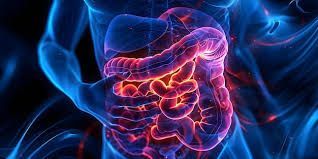
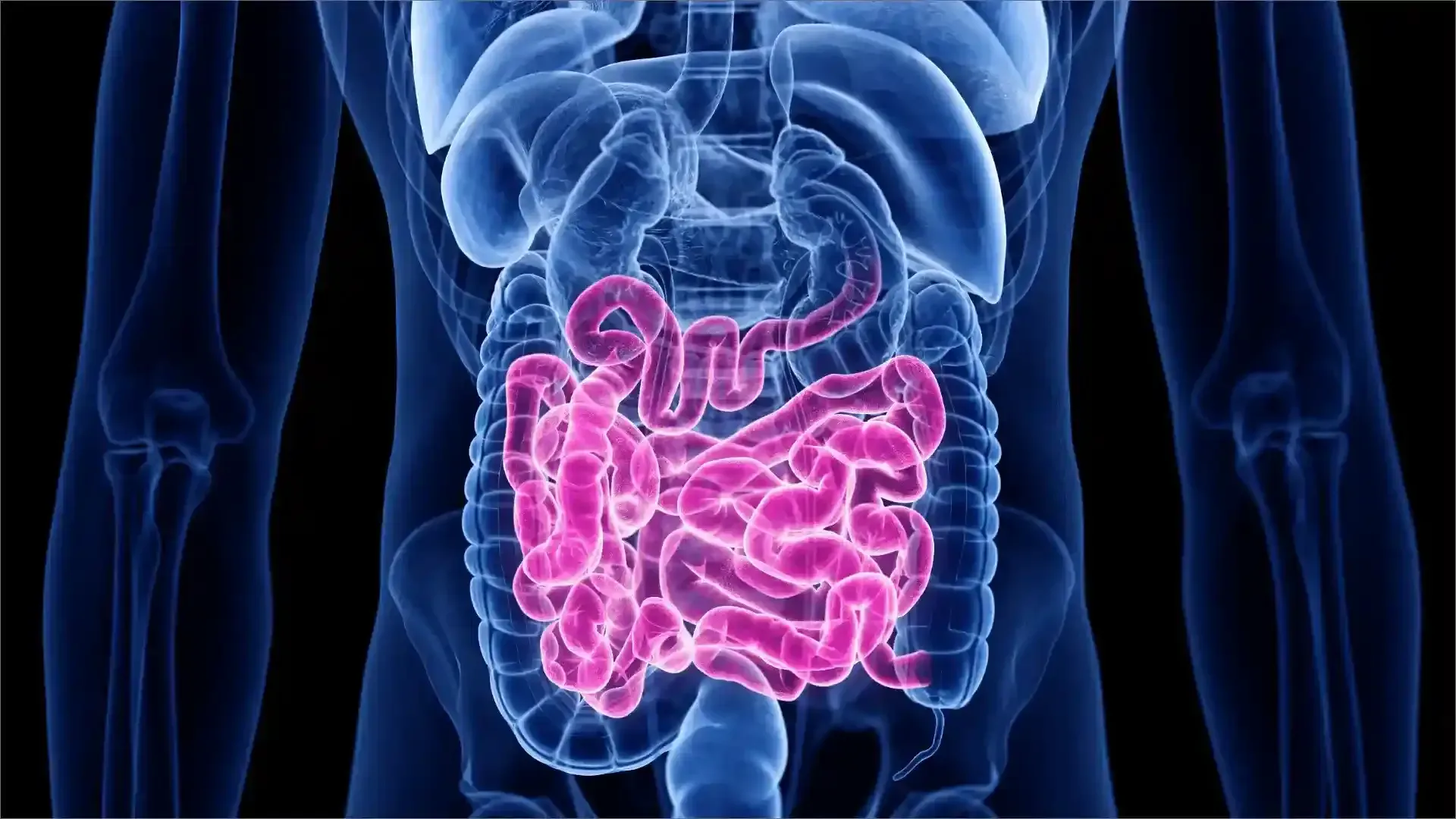
Living with inflammatory bowel disease (IBD) often means navigating flare-ups, fatigue, urgent bowel symptoms, and constant questions about food. Diet doesn't "cure" IBD, but what you eat can strongly influence your symptoms, your nutritional health, and how well you recover — especially during a flare. Below, we explain how nutrition fits into inflammatory bowel disease treatment, how strategies differ for ulcerative colitis and Crohn's disease, and why ongoing research — including clinical trials in San Diego — continues to refine best practices.
1. What Diet Can (and Can't) Do for IBD
IBD is an immune-mediated condition, so medication is usually the foundation of treatment. Diet won't replace that, but it plays an important supporting role. Good nutrition habits can help:
- Reduce symptom burden (bloating, diarrhea, urgency)
- Support healing and energy levels
- Prevent malnutrition and deficiencies (iron, vitamin D, B12, calcium)
- Preserve muscle mass and a healthy weight
- Rebuild confidence around food choices
The Crohn's & Colitis Foundation is clear that there is no single "IBD diet" — but nutrition is essential for managing symptoms and avoiding deficiencies, especially during flare-ups (Crohn's & Colitis Foundation: Diet & Nutrition).
2. Diet During a Flare vs. Diet in Remission
One of the most important ideas in ulcerative colitis treatment and Crohn's management is timing: what helps during a flare isn't necessarily what you should eat long-term.
During a flare (active inflammation and symptoms), many patients find it easier to tolerate:
- Smaller, more frequent meals
- Lower-fat choices, since fat can worsen diarrhea for some people
- Less insoluble fiber (raw vegetables, skins, seeds, nuts) if these increase pain or diarrhea
- Plenty of fluids and electrolytes
This is a short-term symptom strategy, not a lifelong restriction — the goal is comfort while inflammation is treated medically. Mayo Clinic notes that certain foods can worsen symptoms during an IBD flare and recommends individualized adjustments, such as limiting high-fiber foods when they aggravate diarrhea or abdominal pain (Mayo Clinic: IBD Diet Tips).
In remission (symptoms controlled), the focus shifts to:
Nutrient density and dietary variety
Gradually reintroducing tolerated fiber
Meeting protein needs to preserve lean mass
This is often where patients on an ulcerative colitis treatment plan can safely rebuild a broader diet and let go of restrictions that are no longer necessary.
3. Nutrition Priorities Specific to Ulcerative Colitis
In ulcerative colitis, inflammation is limited to the colon, but symptoms like urgency and bleeding often lead people to avoid many foods and eat less overall. Common nutrition goals include:
- Preventing iron deficiency and anemia, especially with ongoing bleeding
- Maintaining hydration and electrolyte balance during frequent diarrhea
- Identifying personal trigger foods without over-restricting
- Limiting lactose only if intolerance is actually suspected
The American College of Gastroenterology (ACG) guideline on ulcerative colitis highlights the need for comprehensive care — including monitoring for complications like anemia and malnutrition — alongside medical therapy (ACG Clinical Guideline: Ulcerative Colitis in Adults).
4. Research, New Strategies, and Clinical Trials in San Diego
Diet and IBD care continue to evolve. Researchers are studying how the gut microbiome responds to different eating patterns, which strategies ease symptoms versus reduce inflammation (not always the same thing), how nutrition can complement medication, and what new treatment pathways may help patients with ongoing disease activity.
Participating in a clinical trial in San Diego may be an option worth exploring for people with ulcerative colitis or Crohn's disease — particularly those whose symptoms remain moderate to severe despite their current treatment, or who are curious whether a newer therapy could be a fit. As with any study, participation starts with a conversation: our team does a phone screening to talk through your history and check basic eligibility, followed by an in-person or telehealth visit to confirm whether a specific study is a good match. Some studies also welcome healthy volunteers to serve as a comparison group. Talk to your GI doctor about whether a trial could be worth exploring for your situation — we're happy to help you think it through.
Clinical trials are a core part of advancing inflammatory bowel disease treatment, helping define safer, more effective options for the future. For a patient-friendly overview of how trials work — including consent, safety, and eligibility — see MedlinePlus: Clinical Trials.
If you're managing IBD day to day and want more general nutrition and treatment context, our sister site Gastro SB Clinic has additional resources on advances in IBD care.
This article is for general information only and is not a substitute for medical advice. Every case of IBD is different — always talk with your gastroenterologist about your specific symptoms and diet before making changes, especially if you notice rectal bleeding, severe pain, fever, or unintended weight loss.
Curious whether a clinical trial could be right for you or a loved one with IBD?
Participation is completely voluntary and depends on an eligibility screening — we can't guarantee a spot in a specific study, but we can help you find out if one might fit. Learn more about our current IBD and Crohn's/colitis clinical trial or
call us at (619) 513-3372.