

New GERD Treatments and Gastrointestinal Clinical Trials
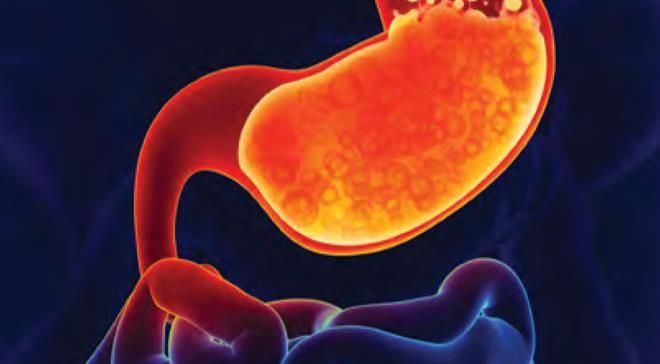
Heartburn and acid reflux can seem like "no big deal." But when they happen several times a week, disrupt your sleep, or come with regurgitation, coughing, or pain when swallowing, they may point to GERD (gastroesophageal reflux disease).
Effective treatments are available today, and new options continue to emerge thanks to gastrointestinal clinical trials. In this article, we review evidence-based GERD care and how San Diego clinical trials are helping improve treatment. If you know someone who lives with frequent heartburn, share this article on social media.
What Is GERD, and Why Does It Happen?
GERD happens when stomach contents flow back into the esophagus. This can be caused by relaxations of the lower esophageal sphincter (the muscular "ring" between the esophagus and the stomach), a hiatal hernia, or other factors that promote reflux. The most common symptoms include:
- Burning behind the breastbone (heartburn).
- Regurgitation (a sour or bitter taste in the mouth).
- Non-cardiac chest pain.
- Symptoms outside the esophagus: chronic cough, hoarseness, throat clearing, or a "lump in the throat" feeling.
The NIDDK explains the symptoms, causes, diagnosis, and treatment of acid reflux and GERD in adults, as well as when further evaluation is needed (NIDDK – Acid reflux (GER & GERD).
Following best practice and research in clinical gastroenterology means first confirming whether symptoms are truly GERD or another condition that looks similar, such as functional dyspepsia, esophageal hypersensitivity, or eosinophilic esophagitis. This helps avoid unnecessary treatment. For more on GERD symptoms and stages, read our article GERD Treatment: Symptoms, Stages, and Clinical Trials.
Step One: High-Impact Lifestyle Changes
Many people improve with simple but consistent changes:
- Losing weight if you're overweight: one of the interventions with the strongest evidence. If you'd like support, learn about the Gastro SB Clinic weight loss clinic
- Not lying down for 2–3 hours after eating.
- Raising the head of your bed if you have nighttime symptoms.
- Cutting back on your personal triggers: greasy foods, chocolate, mint, alcohol, coffee, spicy or acidic foods (depending on tolerance).
- Avoiding tobacco.
American College of Gastroenterology (ACG) guidelines recommend these measures as part of comprehensive GERD treatment and emphasize appropriate use of acid-suppressing therapy based on severity and response (ACG Clinical Guideline for GERD).
Acid Reflux Medications: What's Used and When?
Medication is chosen based on how often symptoms occur and how much they affect your daily life:
- Antacids: fast relief, useful for occasional heartburn.
- PPIs (proton pump inhibitors): usually the most effective option for frequent symptoms and for healing erosive esophagitis, when indicated.
If symptoms persist despite using medication correctly, your doctor may consider:
- Upper endoscopy, to check for esophagitis, stricture (narrowing), or Barrett's esophagus, depending on risk.
- pH/impedance monitoring, to confirm that reflux is actually present.
- Esophageal motility testing, in selected cases.
When Should You See a Doctor Right Away? Warning Signs
Schedule an evaluation with your gastroenterologist as soon as possible if, along with reflux, you have:
- Difficulty swallowing.
- Unintentional weight loss.
- Anemia.
What Are the Options When Standard Treatment Isn't Enough?
For some patients, standard treatment isn't enough, or they'd rather not rely on long-term medication. In suitable candidates, options may include:
- Endoscopic procedures (in specific cases).
- Anti-reflux surgery, such as fundoplication.
- Devices such as magnetic sphincter augmentation, depending on each patient's evaluation.
Every procedure has risks and benefits that your doctor should explain during your visit.
How Gastrointestinal Clinical Trials Are Advancing GERD Treatment
Gastrointestinal clinical trials are essential to:
- Evaluate new medical therapies and devices.
- Improve strategies for refractory GERD (symptoms that persist despite treatment).
- Identify which groups of patients respond best to each approach.
- Optimize treatment safety and tolerability.
Joining San Diego clinical trials may be an option for people whose symptoms continue despite treatment, or for those who want to learn about investigational therapies under close supervision. At Gastro SB Clinical Research in Chula Vista, participation is always voluntary: there is an eligibility and screening process, and access to a study or any specific treatment outcome is never guaranteed.
Learn about our gastroesophageal reflux (GERD) study and our other current clinical trials.
To understand how clinical trials work (informed consent, eligibility criteria, and safety monitoring), MedlinePlus offers a clear, patient-friendly explanation (MedlinePlus – Clinical Trials).
This article is for informational purposes only and does not replace a medical consultation. If you have warning signs —such as difficulty swallowing, unintentional weight loss, or anemia— schedule an evaluation with your gastroenterologist as soon as possible.
Is Your Reflux Not Improving? Explore Your Options
If you have frequent heartburn, regurgitation, or nighttime symptoms and want to learn about evaluation options or available studies, call us at
(619) 513-3372 or fill out our
contact form. Our team can guide you through next steps and the clinical trials in San Diego you may qualify for.