

GI Health Basics: Why Gastroenterology Research Matters
Short answer: gastroenterology is the medical field that studies the digestive tract and liver. Research matters because many of today's treatments for reflux, gastroparesis, IBS and inflammatory bowel disease exist thanks to patients who joined clinical studies.
What gastroenterologists look after
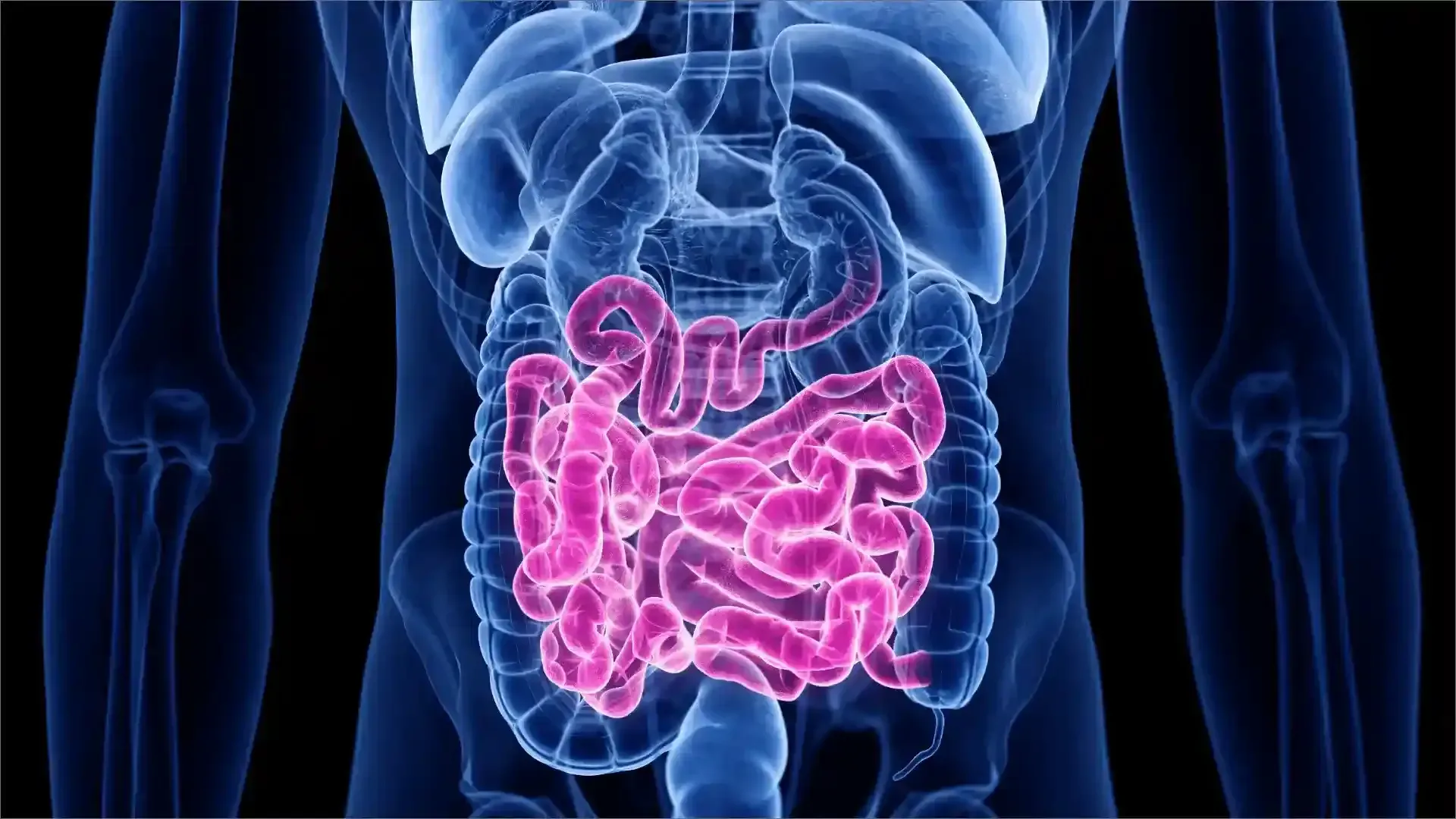
The digestive system runs from the mouth to the colon and includes the stomach, intestines, liver, gallbladder and pancreas. Common conditions include:
- GERD , where stomach acid flows back into the esophagus.
- Gastroparesis , where the stomach empties more slowly than it should.
- IBS , which causes abdominal pain with changes in bowel habits.
- Crohn's disease and ulcerative colitis , the two main forms of inflammatory bowel disease.
Why research is needed
Many digestive conditions are chronic, and not everyone responds to the first treatment. Clinical studies test new medicines and approaches so doctors have more options and better evidence about what works and for whom.
How research reaches patients
- A treatment is studied in the lab.
- It is tested in people in carefully controlled clinical trials.
- Regulators review the results before a treatment becomes widely available.
When to see a specialist
Persistent heartburn, ongoing pain, unexplained weight loss, blood in the stool or trouble swallowing deserve a medical evaluation.
Learn more
Gastro SB Clinical Research in Chula Vista, California, conducts gastroenterology studies and can explain whether a study may be an option for you. Contact info@gastrosbclinicalresearch.com.
This article is educational and does not replace medical advice from your doctor.