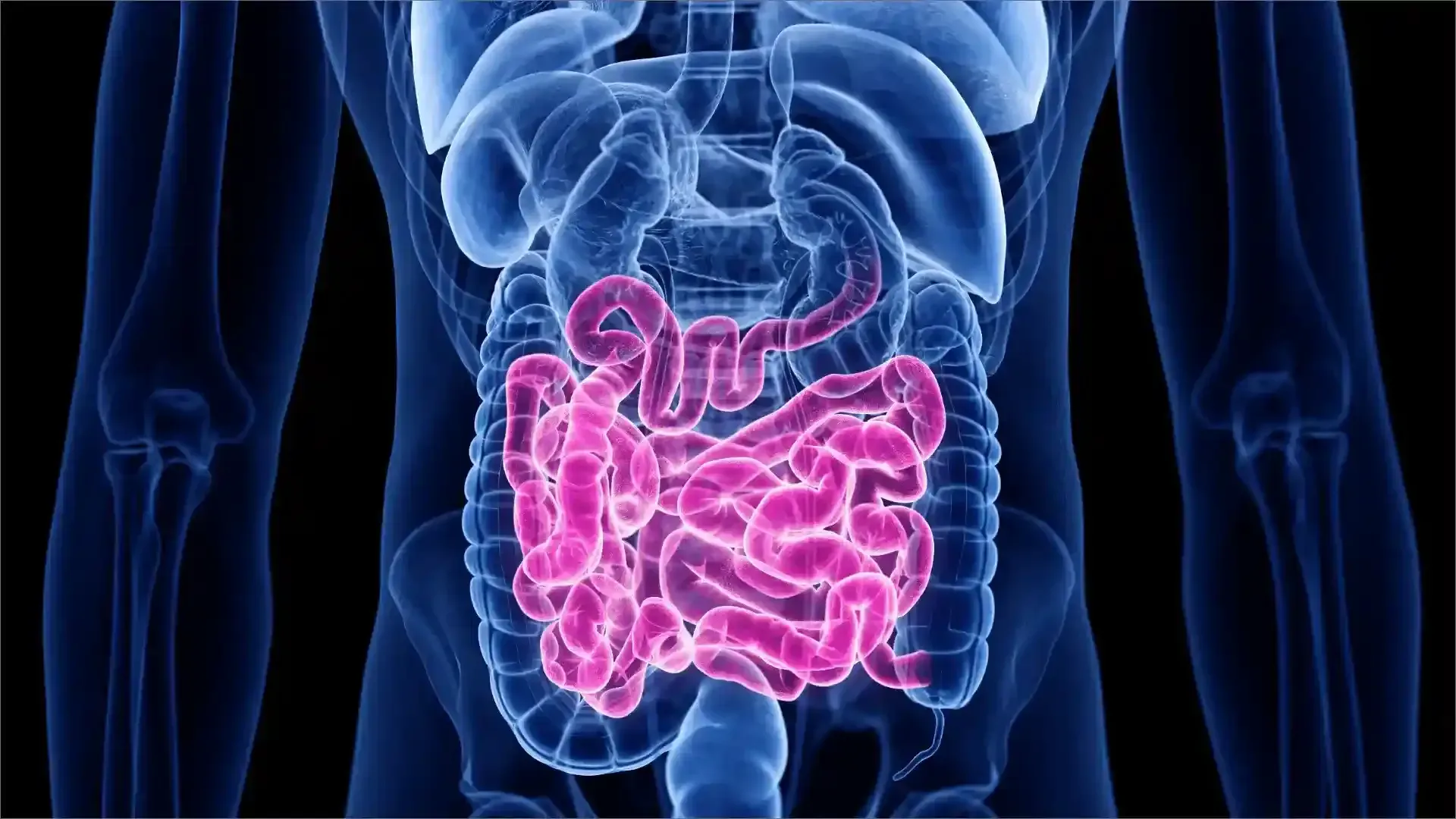


Diabetic Gastroparesis: Managing Symptoms and Blood Sugar
Short answer: over time, high blood sugar can damage the nerves that control stomach movement, which slows emptying. This is called diabetic gastroparesis. It causes digestive symptoms and also makes blood sugar harder to predict.
Why diabetes can cause it
The vagus nerve helps the stomach contract and move food along. Long-standing high blood sugar can injure this nerve, so food stays in the stomach longer than it should.
Symptoms to watch for
- Nausea and vomiting
- Feeling full after a few bites
- Bloating and upper abdominal pain
- Unexpected high or low blood sugar after meals
Why blood sugar becomes harder to control
When food leaves the stomach slowly and unevenly, sugar reaches the blood at unpredictable times. Insulin given at mealtime may then act before the food is absorbed, which can cause low blood sugar followed by highs later.
Management options
- Blood sugar control with your diabetes care team, who may adjust the timing of insulin.
- Diet changes: small, frequent meals, lower in fat and fiber, with enough fluids.
- Medicines to speed stomach emptying or reduce nausea, chosen with your doctor because each has risks.
- Procedures or devices in selected cases.
- Nutrition support when weight loss or dehydration is significant.
Where research fits
Treatment options are limited, so clinical studies are testing new approaches for gastroparesis symptoms. Eligibility depends on each study.
Talk to us
Gastro SB Clinical Research in Chula Vista, California, can explain whether a study may fit you. Contact info@gastrosbclinicalresearch.com.
This article is educational and does not replace medical advice from your doctor.