

Understanding Gastroparesis: Diagnosis and Treatment Options
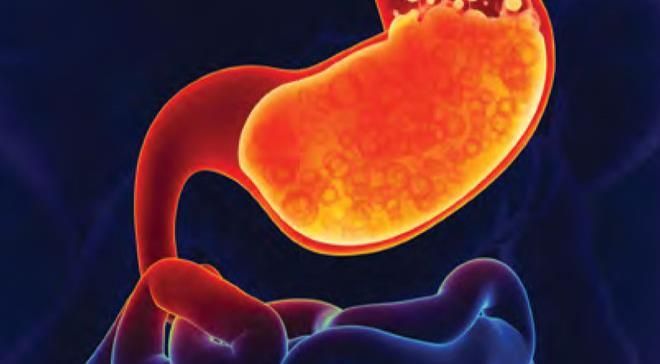
Gastroparesis is a gastrointestinal disorder that affects the normal movement of the muscles in the stomach, leading to delayed emptying of food into the small intestine. In this article, we will delve into the diagnosis and treatment of gastroparesis, exploring the symptoms, available medications, and the role of gastroenterology clinical research in advancing treatment options for this condition.
Recognizing the Symptoms of Gastroparesis:
Gastroparesis can present with a range of symptoms, including nausea, vomiting, bloating, early satiety, and abdominal pain. Understanding these symptoms is crucial in identifying and managing gastroparesis effectively.
Diagnosis of Gastroparesis: Tests and Procedures:
To diagnose gastroparesis, healthcare providers may utilize tests such as gastric emptying studies, upper endoscopy, and imaging studies to assess stomach function and rule out other conditions. A comprehensive evaluation is essential for an accurate diagnosis and tailored treatment plan.
Treatment Approaches for Gastroparesis:
Treatment for gastroparesis focuses on symptom management and improving stomach emptying. This may involve dietary modifications, medications to stimulate gastric motility, antiemetics, botulinum toxin injections, and in severe cases, surgical interventions like gastric electrical stimulation or pyloroplasty.
Advancements in Gastroparesis Research and Clinical Trials:
Gastroenterology clinical research plays a vital role in exploring new treatment modalities, medications, and interventions for gastroparesis. Participation in clinical trials offers patients access to cutting-edge therapies and contributes to the development of innovative approaches to managing this challenging condition.
In conclusion, gastroparesis is a complex gastrointestinal disorder that requires a multidisciplinary approach to diagnosis and management. By recognizing the symptoms, undergoing appropriate diagnostic tests, exploring treatment options, and staying informed about advancements in gastroparesis research, individuals can work towards better symptom control and improved quality of life.